Dean of the College of Pharmacy at Amman Arab University (AAU) Participates in “Cosmetic Safety: Scientific and Regulatory Aspect” Conference
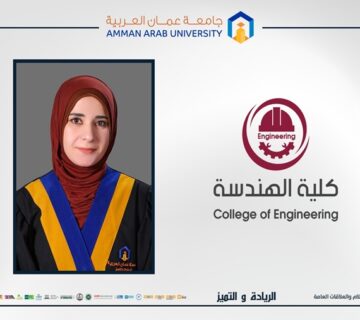
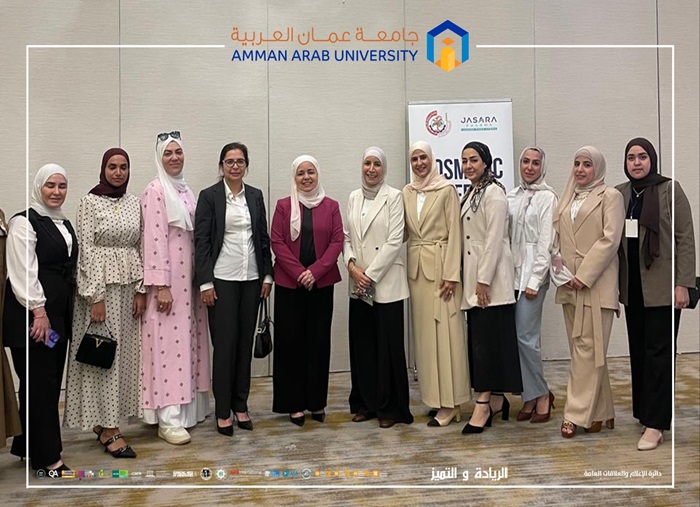
As part of Amman Arab University’s (AAU) ongoing efforts to enhance its scientific and academic presence in specialized conferences and forums, Prof. Rana Abu-Hwaij, Dean of the College of Pharmacy at the university, participated in the conference titled “Cosmetic Safety: Scientific and Regulatory Aspect.” Held at the Mövenpick Hotel, the event brought together a distinguished group of academics, experts, specialists, and cosmetic industry representatives to discuss cosmetics and their safety.
During the conference, Dr. Abu-Hwaij presented a scientific paper titled: “The Pharmacist’s Role in Providing Safe Scientific Advice for Cosmetics and Promoting Cosmetovigilance.” The paper highlighted the pivotal role pharmacists play in ensuring the safe use of therapeutic cosmetics as the first line of defense for consumer protection. This is achieved by assessing user needs and selecting appropriate products, rather than relying solely on marketing claims. She also emphasized providing specialized scientific advice on correct and safe product usage, including appropriate quantities, frequency, duration of use, and necessary precautions. Furthermore, the paper addressed the importance of monitoring outcomes and identifying, documenting, and tracking adverse effects—such as irritant or allergic contact dermatitis, photosensitivity, acneiform reactions, and eye irritation—while stressing the need to encourage reporting these effects through approved regulatory channels within the cosmetovigilance framework.
Dr. Abu-Hwaij also emphasized the necessity of medical referral to specialized physicians in cases that exceed cosmetic advice and require medical evaluation, or when a user is suspected of needing a pharmaceutical drug. She noted that the integration between the roles of the pharmacist and the physician enhances user safety and rationalizes product use. Additionally, the paper focused on labeling requirements in accordance with the guidelines for the trade of cosmetics, cosmeceuticals, and their raw materials for the year 2022 and its amendments, issued under the legislation regulating the drug and pharmacy sector and the Jordan Food and Drug Administration (JFDA). She stressed the importance of including explanatory data on final packaging to enable safe product identification and usage, which includes manufacturer or importer details, country of origin, the list of ingredients according to the International Nomenclature of Cosmetic Ingredients (INCI), product function, storage conditions, nominal capacity, batch number, as well as warnings and instructions for use when necessary.
The conference was organized by Jasara Drugstore in cooperation with the Jordan Pharmacists Association (JPA). It featured discussions on specialized scientific tracks regarding cosmetic safety and registration mechanisms, most notably the fundamentals of cosmetic safety, the latest regulatory updates for cosmetics and skincare products, cosmetic classification, and a review of reliable, accredited information sources, which contributes to enhancing the scientific knowledge of participants and keeping them updated with regulatory developments.
This participation underscores the College of Pharmacy’s commitment at Amman Arab University to bridge academic knowledge with regulatory and industrial practices, and to exchange expertise with academics, specialists, and industry representatives, thereby reinforcing the professional role of pharmacists in cosmetics and cosmetovigilance.